Full Safety Inspection
We check the meter, appliance connections, water heater, and furnace with a combustible gas detector before we do anything else. If there is an active leak inside, we find it in the first 20 minutes and tell you to ventilate.
Gas Leak Detection in Chula Vista starts with a phone call and ends with a pinpointed leak, not a guess. We serve homeowners and property managers across San Diego County with electronic sniffers, tracer gas, and pressure testing that find the source fast. If you smell gas or your meter is spinning, call (619) 943-1896 and we will get a technician to your door.
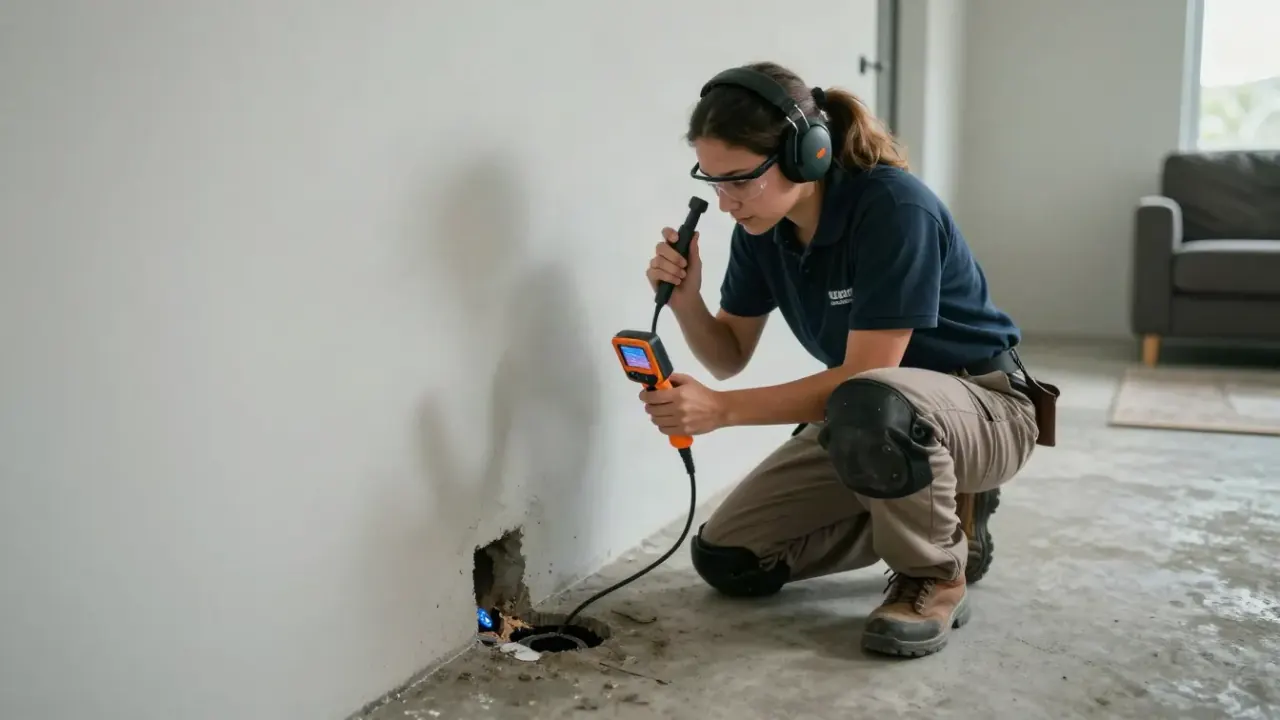
Gas Leak Detection in Chula Vista is the process of locating a natural gas or propane leak in buried lines, appliance connections, or interior piping using instruments rather than guesswork. We pressurize the line, then sweep it with a calibrated combustible gas detector and tracer gas. When a reading spikes, we narrow the spot with soap solution and a combustible gas indicator until we can mark the exact point on the pipe. No exploratory demolition, no random trenching.
Most Chula Vista homes we see were built between the 1970s and early 2000s, and their copper and steel gas runs are now at the age where pinhole leaks and corroded fittings show up. Add our coastal marine layer and clay-heavy soil in Otay Ranch, and underground lines take a beating. A gas leak detection service Chula Vista residents call after the meter jumps is usually the same call we get after a backyard barbecue line fails. If you need gas leak detection service in Chula Vista CA near me, we are already in your neighborhood.
Every gas leak detection visit covers the full diagnostic: safety check, pressure test, instrument sweep, and a marked location. Repair is quoted separately once we know the scope, so you never pay for work you do not need.
We check the meter, appliance connections, water heater, and furnace with a combustible gas detector before we do anything else. If there is an active leak inside, we find it in the first 20 minutes and tell you to ventilate.
We isolate the gas run and pressurize it with calibrated gauges. A pressure drop confirms a leak and gives us a baseline to compare against after repair. This step takes 30 to 60 minutes on a typical home.
We walk the line with acoustic listening devices, thermal imaging cameras, and tracer gas detectors. The goal is to narrow the leak to a spot you can cover with a dinner plate, not a whole yard. We mark it before we leave.
You get photos, pressure readings, and a plain-language summary of what we found and where. That documentation works for insurance, HOA, and resale. It also tells the next contractor exactly what was done.
Once we know the location and scope, we quote the repair in writing. No pressure, no same-day-only discounts. You decide when to schedule, and the price we quote is the price you pay.
We ask what you smell, where, and whether the meter is moving. If there is an active odor, we tell you to shut the gas off at the meter and open windows before we arrive. This five-minute call often prevents a small leak from becoming a dangerous one.
The technician arrives with a combustible gas indicator and confirms whether gas is present. We check appliance connections, the water heater, and the furnace first, since those are the most common sources. If the reading is clear inside, we move to the buried line.
We isolate the gas run and pressurize it with pressure testing gauges. A drop over a set window confirms a leak and tells us roughly how big it is. This step takes 30 to 60 minutes depending on how much pipe we are testing.
Using acoustic listening devices and tracer gas, we walk the line and narrow the leak to a small area. We mark it with paint and flagging, then show you the spot before anyone touches a shovel. You see the evidence, not just the invoice.
We explain the repair options, the cost range, and how long it will take. If you approve, we schedule the fix, often the same week. You leave the call knowing what is wrong, where it is, and what it takes to make it right.
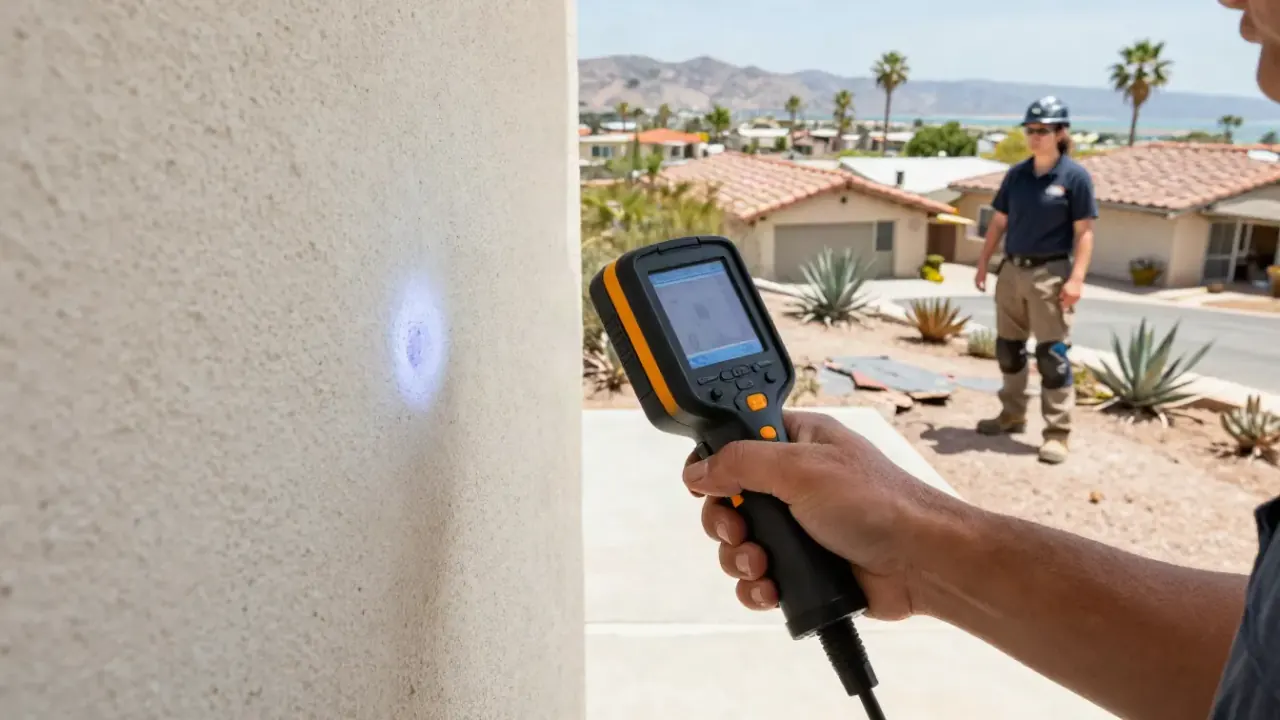
We ask what you smell, where, and whether the meter is moving. If there is an active odor, we tell you to shut the gas off at the meter and open windows before we arrive. This five-minute call often prevents a small leak from becoming a dangerous one.
Calibrated sniffers that read gas concentration in the air. We use them for interior sweeps and appliance checks, and they are the first tool out of the bag on every call.
We introduce a safe tracer into the line and sweep the ground to find the exact path and break. This is the most reliable way to pinpoint a buried leak without digging blind.
These pick up the hiss of escaping gas through soil and concrete. We use them to narrow a leak to a small area before we bring in heavier equipment.
Infrared cameras show temperature differences caused by escaping gas and moisture. They are fast for scanning large walls and slabs where a visual check would miss the source.
Calibrated gauges confirm whether a gas line holds pressure and how fast it loses it. We isolate sections to narrow the search before moving to tracer gas.
RIDGID and General Pipe Cleaners locators trace buried gas and water lines. We use them to map the line path so excavation stays small and safe.
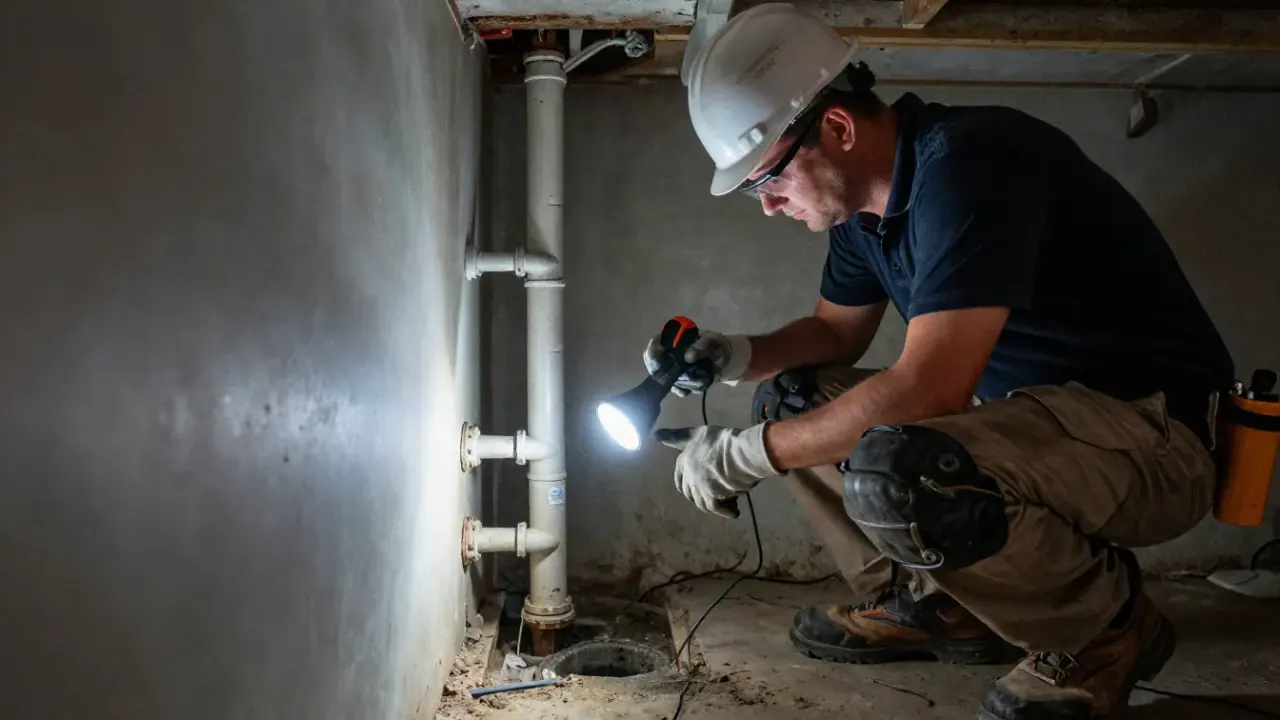
A homeowner in Castle Park smelled gas in the utility closet for three weeks. Two previous plumbers tightened fittings and left. The smell came back each time, and the gas bill had climbed $40 a month.
After: We pressure-tested the line and found a pinhole in the copper behind the water heater. The repair took two hours, and a retest held steady at 10 PSI for 30 minutes. The smell was gone the same day, and the next bill dropped back to normal.
Book this service →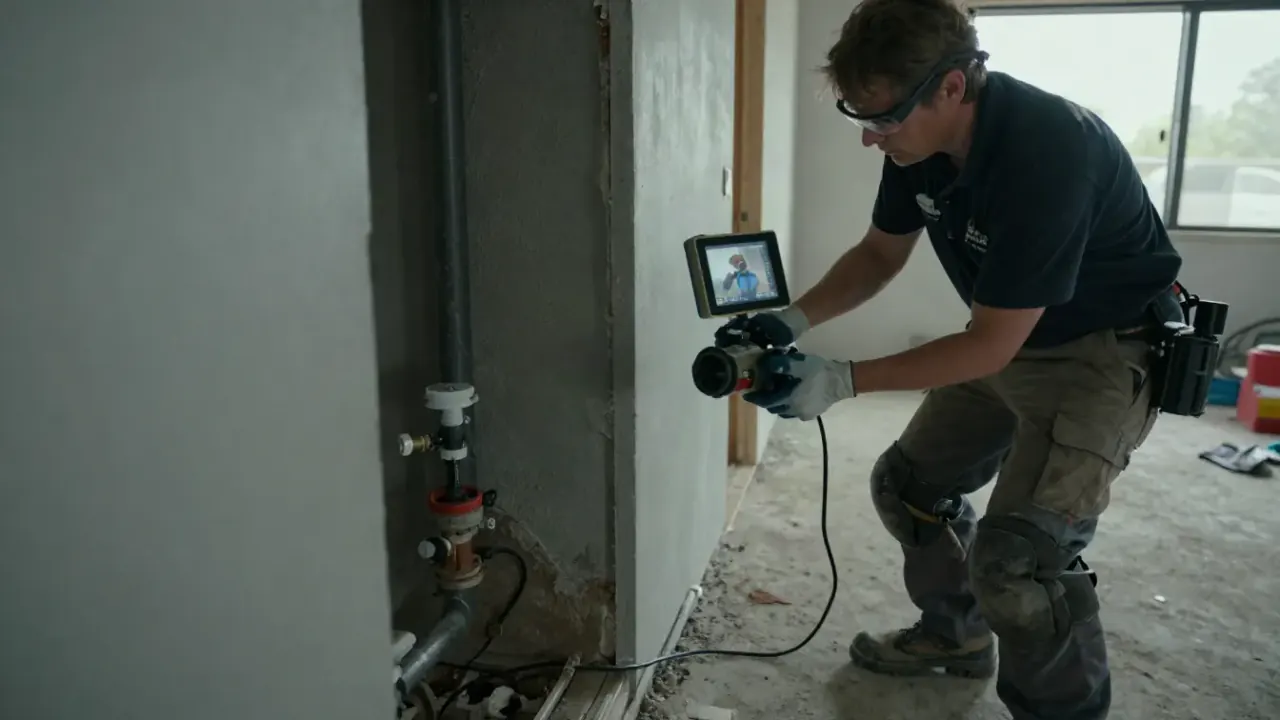
A property manager in Third Avenue Village had a gas smell in the backyard and a meter that moved with everything off. The patio slab covered the likely leak path, and no one wanted to break concrete blind.
After: We isolated the underground run, pressure-tested it, and swept with tracer gas. The break was 14 inches from the patio edge, not under the slab. We excavated a 2-foot square, replaced the section, and retested the same day.
Book this service →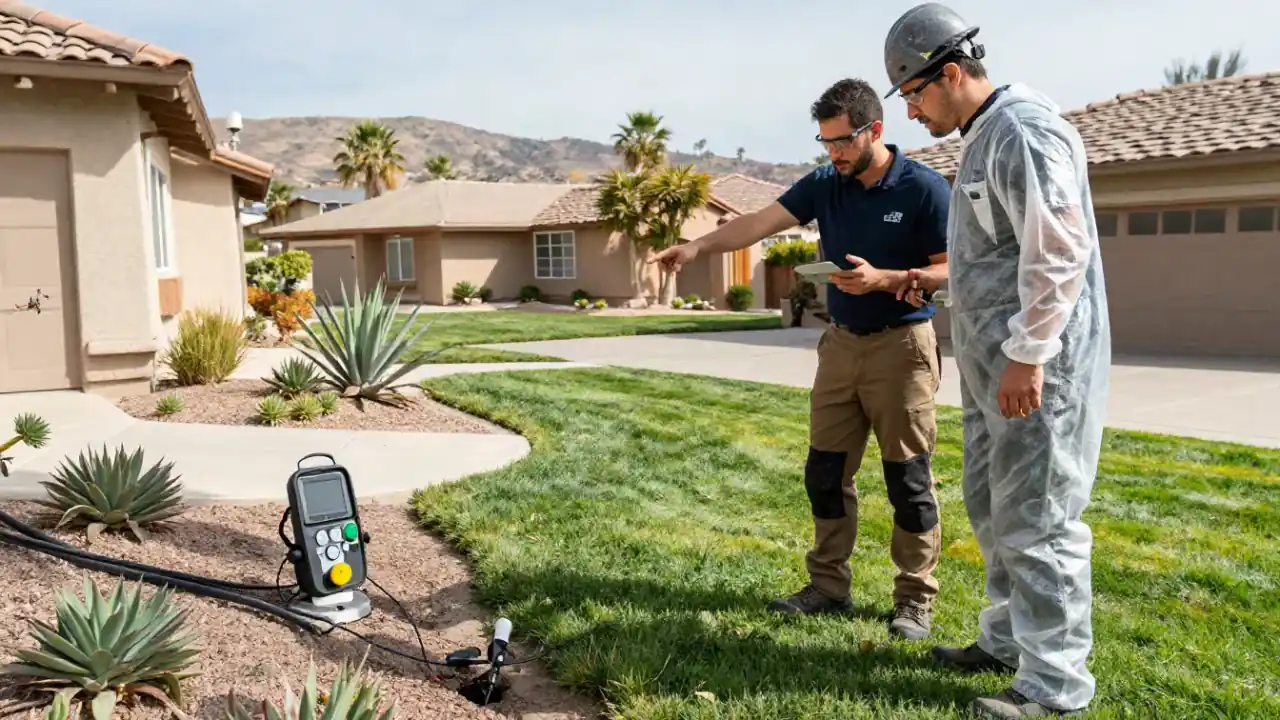
An Eastlake homeowner had a gas bill that jumped 30 percent in one month. The pool heater still fired, so no one suspected the buried line. The grass along the run had started to die in a stripe.
After: We traced the line with a pipe locator and confirmed the leak with tracer gas. The corroded section was replaced with new copper, and the line held 15 PSI for 45 minutes on retest. The gas bill returned to normal the following cycle.
Book this service →Gas leaks do not fix themselves, and the symptoms are easy to misread. Here are the calls we get most often and what we do about them.
Ask a pro →We check the gas valve, pilot assembly, and flue with a combustible gas detector, then pressure-test the line serving the heater. If the fitting is failing, we replace the gasket or O-ring and test again. Most of these are fixed in a single visit.
We isolate the underground run and pressure-test it, then use tracer gas and acoustic listening devices to pinpoint the break. Once marked, we quote the repair and usually complete it within the week. You get a documented before-and-after pressure reading.
We sweep the area with a combustible gas indicator and pipe locator to confirm the line path, then narrow the leak with tracer gas. The repair is a small excavation, not a full yard dig. Most jobs are backfilled and tested the same day.
We run a full interior sweep with electronic leak detection equipment, including appliance connections and any wall penetrations. If we find a leak, we mark it and quote the repair. If we do not, we tell you that too, and you can rule gas out.
Most residential gas leak detection jobs in Chula Vista run $250 to $650 in 2026, depending on whether the leak is inside the house or buried in the yard. Interior appliance checks sit at the low end. Buried line location with tracer gas and pressure testing sits higher. Repair is quoted separately once we know the scope.
The best service is the one that uses instruments, not just a soap bottle. Look for a company with combustible gas detectors, tracer gas, and pressure testing gauges, plus a California C-36 Plumbing license. We carry all of that and document every reading so you can see the evidence yourself.
Leave the house, then call 911 or SoCalGas from outside. Do not flip light switches, use your phone indoors, or start a car in the garage. Once the utility clears the scene, call us at (619) 943-1896 for gas leak detection and repair. We handle the line after the emergency is stabilized.
Call 911 or SoCalGas first if you smell gas right now. For locating and repairing the leak after the utility makes the scene safe, call Leak Detection Chula Vista at (619) 943-1896. We run 24/7 gas leak detection Chula Vista calls and can usually be on site the same day.
If you smell gas or your meter is spinning, do not wait. Call (619) 943-1896 and we will walk you through shutting off the supply while a licensed technician heads your way. Same-day service, upfront pricing, and a written report when we are done.
Call Now (619) 943-1896 →Reach us at (619) 943-1896 any time, day or night. Our emergency line is staffed 24/7, and regular appointments run Monday through Friday from 8 a.m. to 6 p.m. If you leave a message after hours, we call back within 15 minutes. We serve all of Chula Vista and the surrounding San Diego County area.