Full System Pressure Test
We isolate your supply lines and pressurize them with pressure testing gauges to confirm there is an active leak. This step tells us whether the problem is on the main line, a branch line, or a fixture connection.
Pipe Leak Detection in Chula Vista is the fastest way to stop water damage before it spreads. Whether you own a 1970s ranch home near Third Avenue or a newer build in Otay Ranch, our team uses acoustic listening devices, thermal imaging cameras, and pressure testing gauges to find the exact leak point. We serve homeowners and businesses across San Diego County with same-day appointments and honest, upfront pricing.
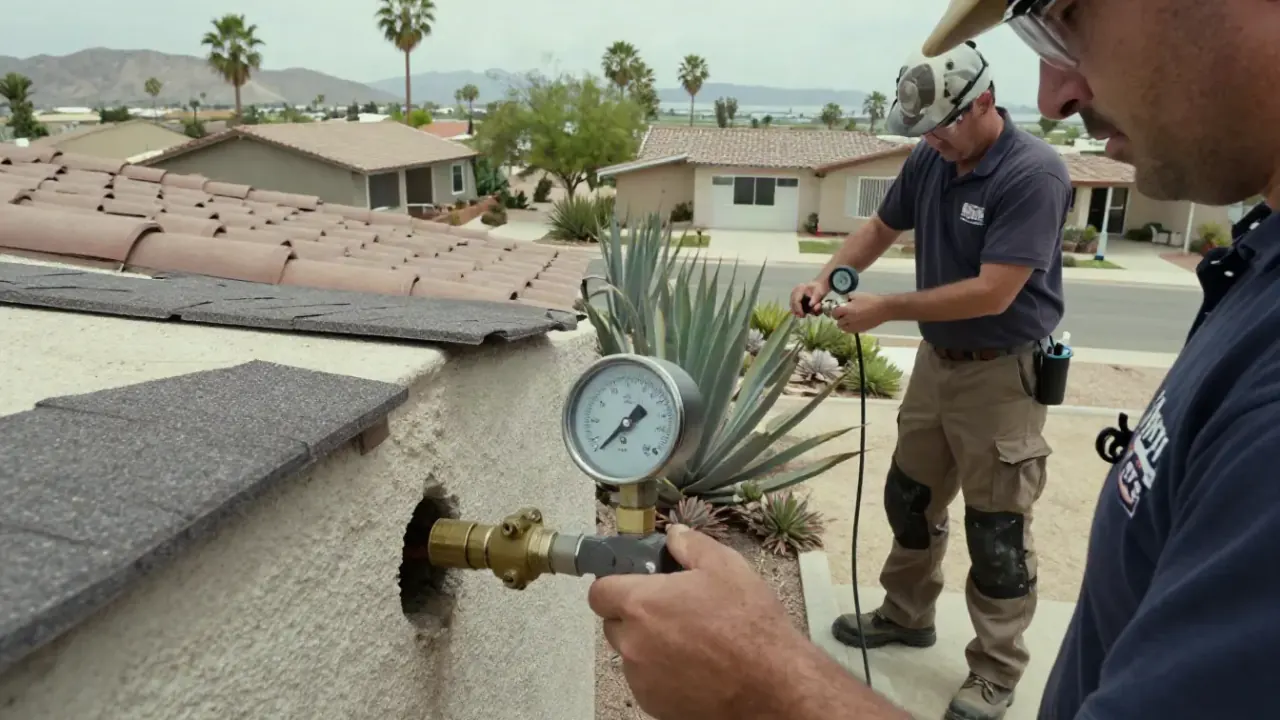
Pipe Leak Detection in Chula Vista is a diagnostic service that locates hidden water leaks inside walls, under slabs, and beneath floors without unnecessary demolition. We start by isolating the affected line, then use acoustic listening devices to hear the leak's signature hiss, thermal imaging cameras to spot temperature anomalies, and pressure testing gauges to confirm the loss. If the pipe runs under a slab, we bring in video pipe inspection cameras to see exactly what is happening inside. Most residential jobs take two to four hours from arrival to written findings.
Chula Vista's mix of aging copper pipe and newer PEX tubing creates two very different leak profiles. Homes built before 1985 often develop pinhole leaks from decades of hard water exposure, while newer construction in Eastlake and Windingwalk sees more slab leaks from soil movement. If you have noticed a spike in your water bill or a warm spot on the floor, professional pipe leak detection Chula Vista can save you thousands in foundation repair. We also handle 24/7 pipe leak detection Chula Vista calls when a leak turns into an emergency.
Every diagnostic visit covers the full inspection, written findings, and a repair quote. Here is exactly what you get when you book with us.
We isolate your supply lines and pressurize them with pressure testing gauges to confirm there is an active leak. This step tells us whether the problem is on the main line, a branch line, or a fixture connection.
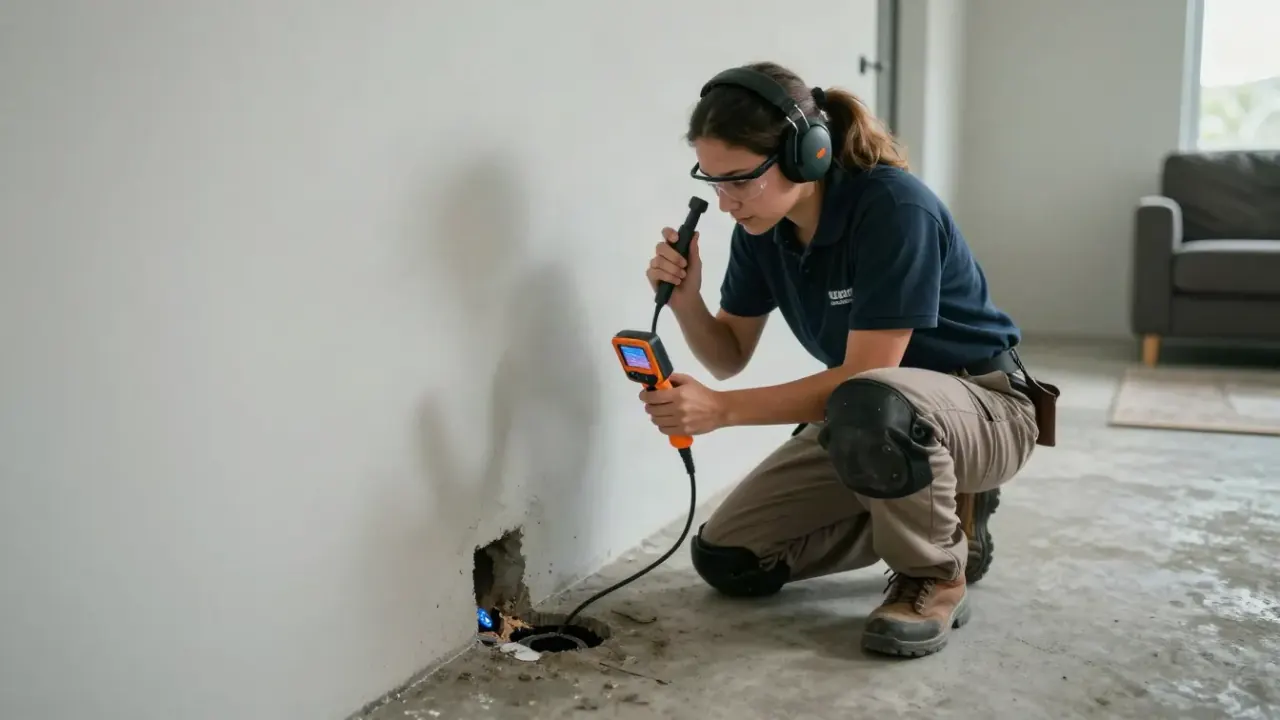
We walk the affected area with acoustic listening devices and a thermal imaging camera. The acoustic tool hears the leak's hiss through walls and slabs. The thermal camera shows temperature changes caused by escaping water.
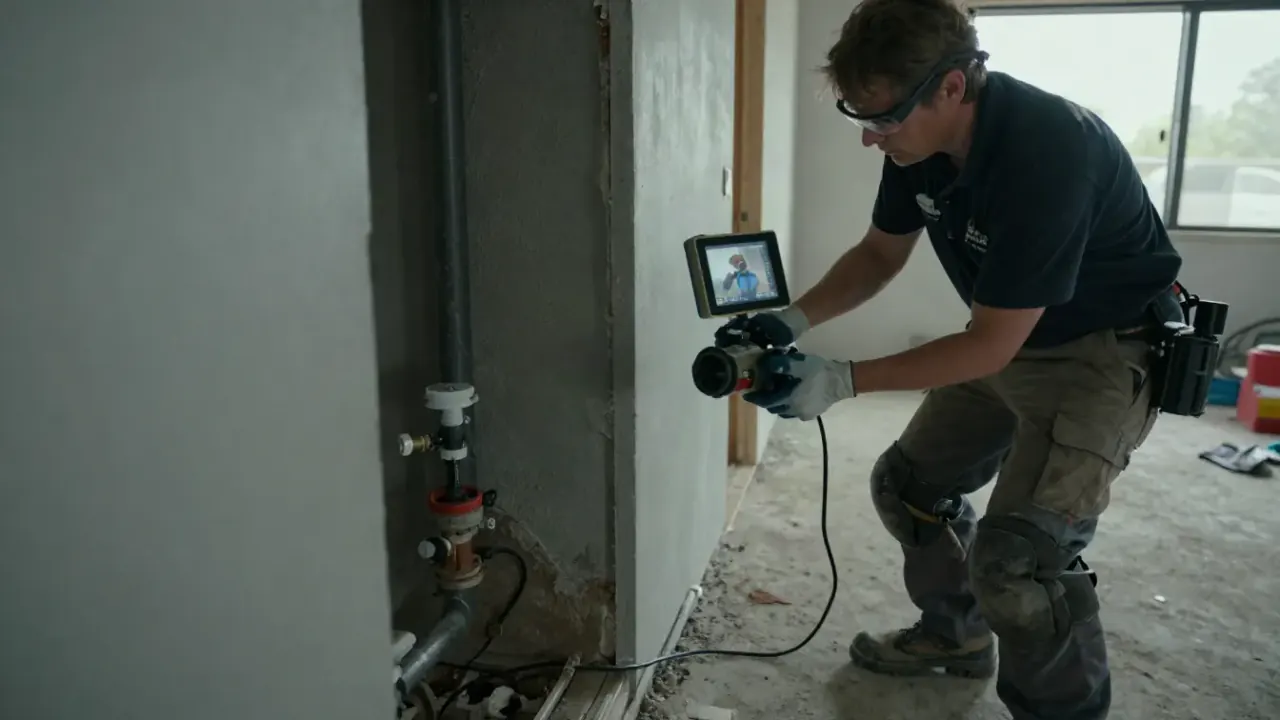
If the leak is in a drain or sewer line, we run a video pipe inspection camera through the pipe. You see the break, root intrusion, or corrosion on the monitor in real time. No guesswork.
We use moisture meters and infrared cameras to map how far water has spread. You get a visual report showing wet zones, which helps with drying, repairs, and insurance documentation.
Before we leave, you receive a written summary with photos, pressure readings, and the marked leak location. We include a flat-rate repair quote so you can decide on the spot.
If you approve the repair, we fix the pipe the same day in most cases. We use copper, PEX, or PVC to match your system, then retest the line to confirm the leak is gone.
You call (619) 943-1896 and describe what you are seeing: a spike in the bill, a warm floor spot, a sound of running water when nothing is on. We ask a few questions to narrow the likely cause and schedule a same-day or next-morning visit. The call takes five minutes.
A licensed technician arrives with acoustic listening devices, a thermal imaging camera, and pressure testing gauges. We start at the meter, confirm there is an active leak, and isolate the affected zone. This walkthrough takes 20 to 30 minutes and gives us a working hypothesis.
We deploy the right tool for the pipe type. Copper lines get acoustic and ultrasonic leak detectors. Slab lines get thermal imaging and video pipe inspection cameras. If the leak is stubborn, we introduce tracer gas detectors to follow the escape path. This is where we earn our keep.
Before we leave, you get a report with photos, pressure readings, and a marked location on your floor plan. We explain what we found in plain language and give you a repair quote on the spot. No waiting for an email three days later.
If you approve the repair, we fix the pipe the same day in most cases. We use copper pipe, PEX tubing, or PVC pipe to match your existing system, then pressure-test the line to confirm the leak is gone. You get a warranty on the repair and a final walkthrough.
You call (619) 943-1896 and describe what you are seeing: a spike in the bill, a warm floor spot, a sound of running water when nothing is on. We ask a few questions to narrow the likely cause and schedule a same-day or next-morning visit. The call takes five minutes.
Amplifies the sound of escaping water through walls, slabs, and soil. We use it to narrow the leak to within a few inches on pressurized lines.
Detects temperature differences caused by hidden moisture. Ideal for scanning large slabs and walls quickly without demolition.
Introduces a harmless gas into the pipe and follows it to the surface. The most precise method for buried or slab-encased leaks.
Sends a camera inside the pipe to show breaks, corrosion, and root intrusion on screen. You see exactly what we see.
Isolates and pressurizes a section of pipe to confirm whether it holds. We use it before and after every repair.
Measures water content in drywall, wood, and concrete. We use it to map how far moisture has spread from the leak.
A homeowner in Bonita Vista noticed a $120 spike in the water bill and a small stain on the ceiling below the bathroom. The copper supply line had a pinhole leak that had been running for weeks, saturating the drywall and framing.
After: We located the leak with acoustic equipment in 45 minutes, opened a 12-inch access panel, and replaced the corroded section with new copper pipe. The pressure test held at 80 psi. The water bill returned to normal the next cycle.
Book this service →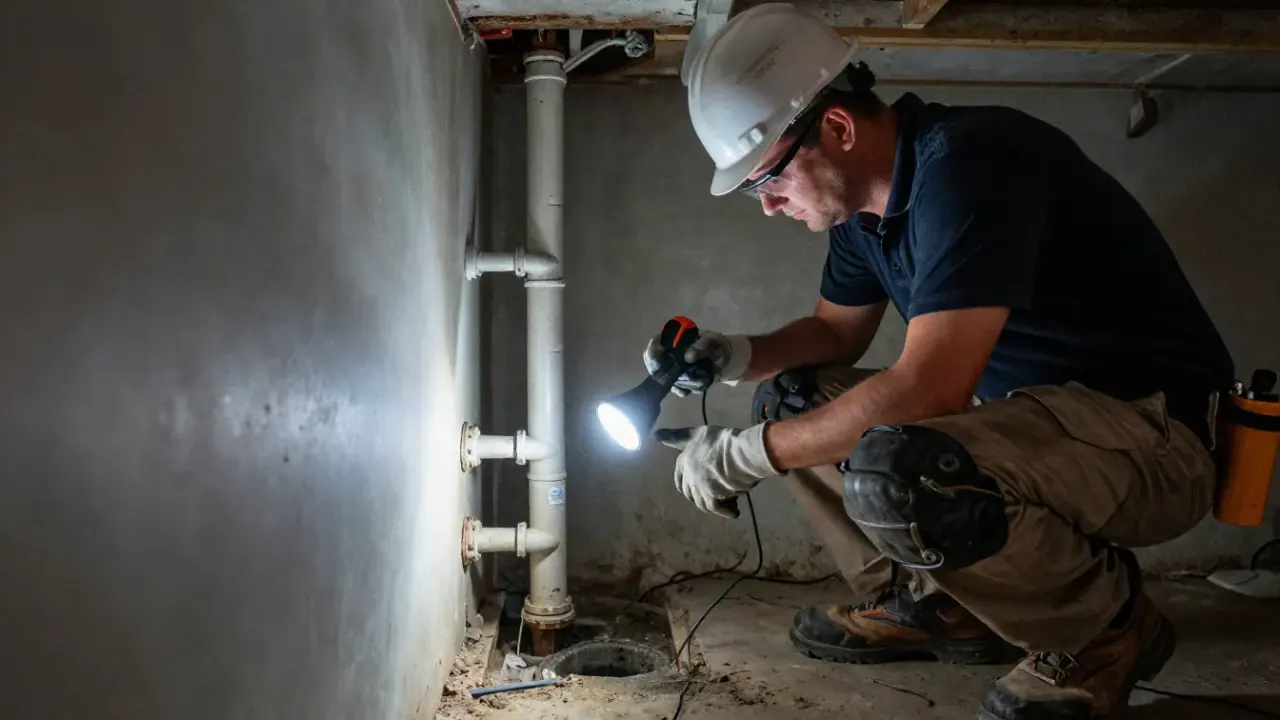
A family in Otay Ranch felt a warm spot on their living room floor and heard water running when everything was off. The hot water line under the slab had cracked from soil movement. Their foundation was starting to show hairline cracks.
After: Thermal imaging and tracer gas located the break within 6 inches. We rerouted the line through the attic instead of breaking the slab, which saved the flooring. The pressure test passed, and the warm spot disappeared.
Book this service →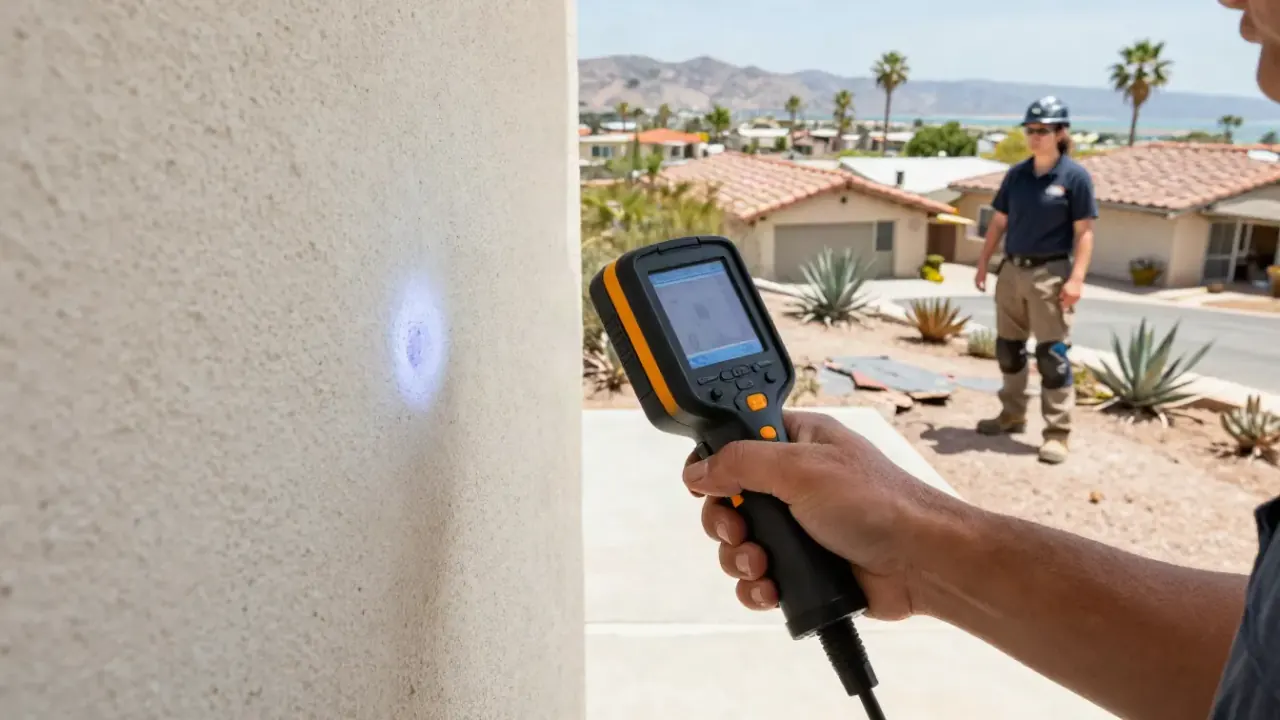
A homeowner in Eastlake saw a soggy patch in the yard that never dried out. The irrigation system was losing pressure, and one zone was using twice the water of the others. A tree root had cracked a PVC line 18 inches underground.
After: We pressure-tested each zone, isolated the break, and excavated a small area to expose the pipe. The cracked section was replaced with new PVC and the zone was retested. Water use dropped by 30 percent.
Book this service →Hidden leaks do not fix themselves. Here are the most common problems we see and what happens if you wait.
Ask a pro →We pressure-test your main line, isolate the leaking section, and pinpoint the exact location with acoustic and thermal tools. Most customers see their bill normalize within one billing cycle after repair.
We use thermal imaging and acoustic devices to locate the break without breaking your floor. Then we repair the line through a small access point and pressure-test it before closing up.
We isolate each zone, listen with acoustic equipment, and check fixtures and irrigation lines. Once we find the source, we give you a repair plan and fix it the same day when possible.
We use moisture meters and infrared cameras to find the hidden leak feeding the mold. After repair, we map the affected area so you know exactly what needs drying or replacement.
Most residential diagnostics run $180 to $450 in 2026, depending on whether the leak is in a wall, under a slab, or in an exterior line. Slab leaks take longer and cost more because we use thermal imaging and video inspection. The fee covers the full inspection, written report, and repair quote. If you approve the repair, we credit a portion of the diagnostic fee toward the work.
The best service uses multiple tools, not just one. We combine acoustic listening devices, thermal imaging cameras, and pressure testing gauges on every job. That means we can confirm a leak in copper, PEX, or PVC pipe regardless of where it hides. Ask any provider what equipment they bring. If the answer is just a moisture meter, keep calling.
Start by shutting off every fixture and checking your water meter. If the dial still spins, you have a leak. Then call us. We use acoustic and thermal tools to pinpoint the exact spot without cutting into walls. Trying to find it yourself with a hammer usually costs more in drywall repair than the diagnostic fee.
Yes. Acoustic listening devices and infrared cameras detect leaks through drywall, stucco, and concrete slab. We mark the location on the surface, then your plumber opens a small access panel only where needed. In most Chula Vista homes, we avoid cutting altogether until the repair stage, and even then the opening is usually 12 inches or less.
Water is running behind your walls right now. Call (619) 943-1896 and we will dispatch a licensed technician to find the leak, explain the repair, and give you a written quote before we leave. Same-day appointments available across Chula Vista and San Diego County.
Book an Inspection (619) 943-1896 →Reach us at (619) 943-1896 any time, day or night. Our emergency line is staffed 24/7, and regular appointments run Monday through Friday from 8 a.m. to 6 p.m. If you leave a message after hours, we call back within 15 minutes. We serve all of Chula Vista and the surrounding San Diego County area.