Full Tank Inspection
We check the T&P valve, drain valve, inlet and outlet connections, dip tube, anode rod port, and the pan. We look for rust streaks, scale, and weeping fittings that point to a failing tank or a loose connection.
Water Heater Leak Detection in Chula Vista is the fastest way to stop a failing tank from wrecking your floors, drywall, and weekend. We use acoustic listening devices, thermal imaging cameras, and pressure testing gauges to pinpoint the source behind the tank, under the pan, or inside the wall. If you have seen a puddle, heard a drip, or watched your gas bill climb, call us before the damage spreads.
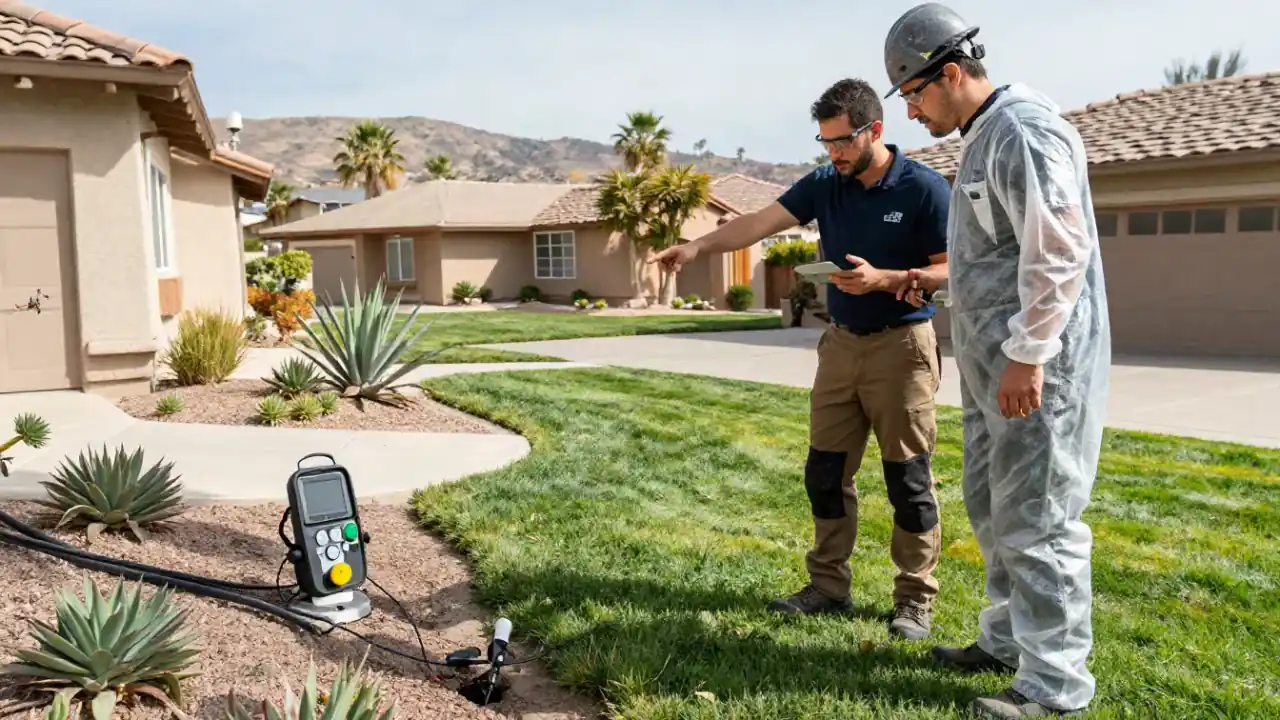
Water Heater Leak Detection in Chula Vista is the process of tracing moisture back to its source on a tank, tankless unit, or the lines feeding it. We check the T&P valve, drain valve, inlet and outlet connections, the dip tube, the anode rod port, and the pan. We also test the copper pipe and PEX tubing behind the unit, because a pinhole leak in a supply line can look exactly like a tank failure. Most inspections take 45 to 90 minutes and end with a written finding, not a guess.
Chula Vista homes sit in a marine climate that swings from cool, damp mornings near the bay to hot, dry afternoons in Eastlake and Otay Ranch. That cycle works on gaskets, O-rings, and pipe sealant until something gives. Add hard water from the region's supply and you get scale that eats through the bottom of a steel tank years before its warranty expires. If you have been searching for a water heater leak detection service in Chula Vista CA near me, we are local and we carry the parts to fix what we find.
Every diagnostic covers the full water side of the heater and the lines feeding it. If we find a simple valve or fitting failure, we fix it on the spot. Tank replacement, slab excavation, and full repipes are quoted separately after you see the findings.
We check the T&P valve, drain valve, inlet and outlet connections, dip tube, anode rod port, and the pan. We look for rust streaks, scale, and weeping fittings that point to a failing tank or a loose connection.
We isolate the heater from the house lines and pressurize each side with a pressure testing gauge. The side that loses pressure is the side with the leak. You get the reading in writing.
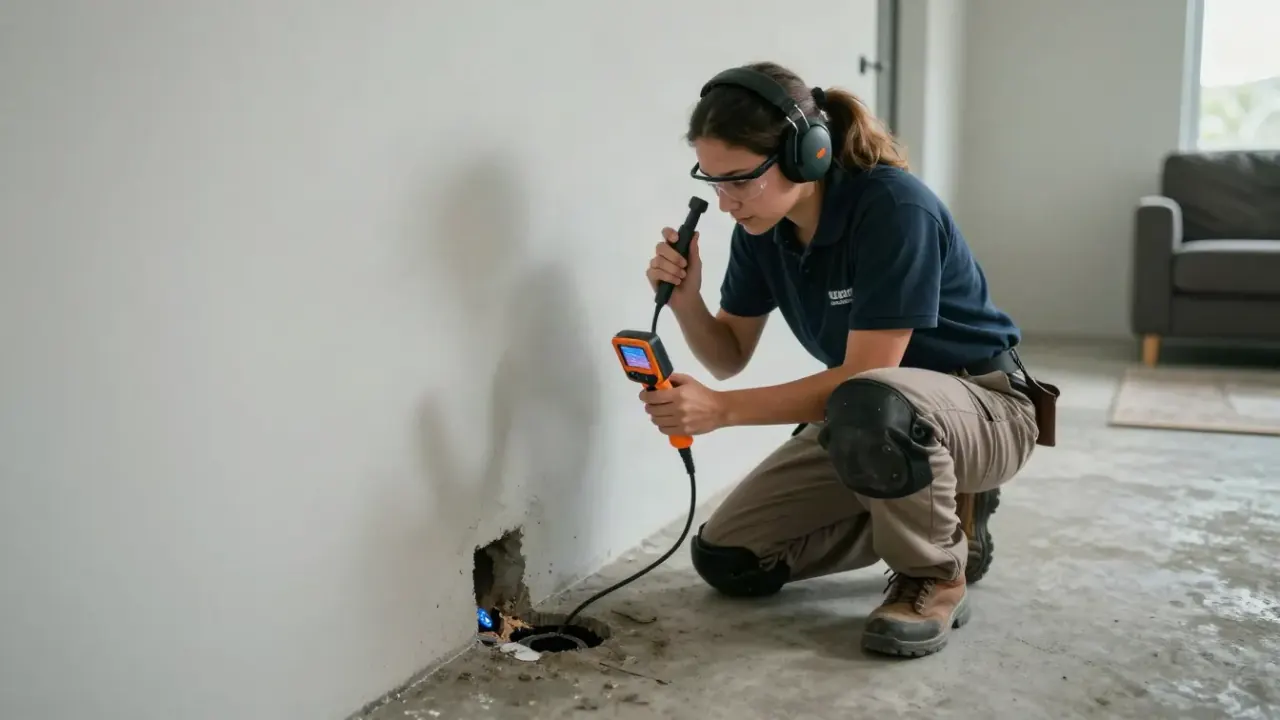
Acoustic listening devices pick up escaping water, and thermal imaging cameras show the temperature difference behind insulation and drywall. Together they locate leaks that a visual check misses.
We run a moisture meter across the pan, floor, and surrounding walls to see how far water has traveled. This tells you whether the damage is contained or already spreading under the flooring.
Loose fittings, failed valves, gaskets, and O-rings get repaired on the same visit with RectorSeal, plumber's tape, and code-correct parts. We re-test at full pressure before we leave.
You call (619) 943-1896 and describe what you see: puddle size, water color, smell, and whether the tank is gas or electric. We tell you how to shut off the supply and the gas valve if needed, then book a same-day window. Most Chula Vista calls are scheduled within four hours.
We inspect the tank top to bottom, then run a moisture meter across the pan, the floor, and the wall behind the unit. This separates an active tank leak from condensation or a backup from the T&P valve. Takes about 20 minutes and tells us where to focus the instruments.
We bring out the acoustic listening devices and thermal imaging cameras to hear and see the leak through insulation and drywall. For lines under the slab or behind tile, we add a tracer gas detector or video pipe inspection camera. This is the step that finds the leaks other companies miss.
We isolate the tank from the house lines and pressurize each side with a pressure testing gauge. A drop on the tank side means the unit is failing. A drop on the house side means a pipe leak. You get the reading in writing, plus photos of the failure point.
If it is a fitting, valve, or line, we repair it with copper pipe, PEX tubing, or a pipe repair clamp and re-test at full pressure. If the tank itself is gone, we walk you through replacement options and can install the new unit the same day. We test the line one more time before we pack up.
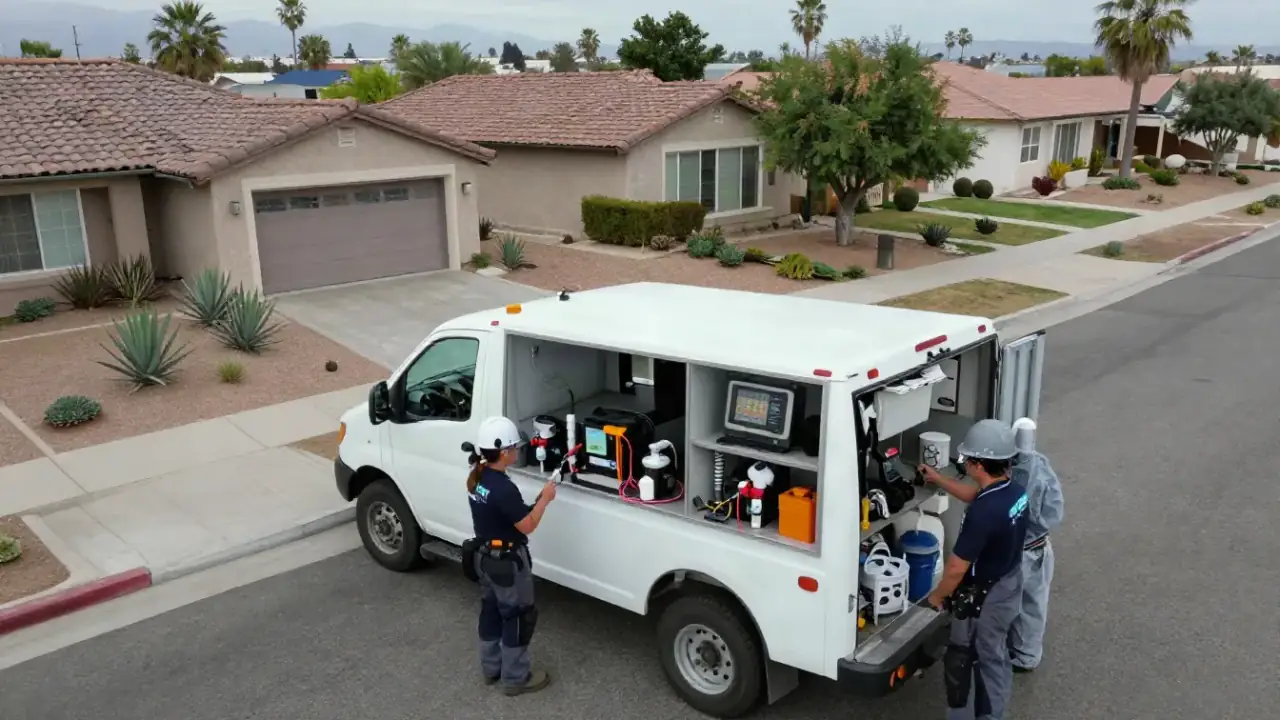
You call (619) 943-1896 and describe what you see: puddle size, water color, smell, and whether the tank is gas or electric. We tell you how to shut off the supply and the gas valve if needed, then book a same-day window. Most Chula Vista calls are scheduled within four hours.
We use Sewerin and Gutermann acoustic gear to hear water escaping a pressurized line. It works through drywall, tile, and cabinet panels, which means less cutting and faster location.
FLIR infrared cameras show the temperature difference between wet and dry materials. We scan the wall and floor behind the heater to see where water has traveled without opening anything up.
We isolate the tank from the house lines and hold pressure on each side. A drop on the tank side means the unit is failing; a drop on the house side means a pipe leak.
For leaks under slabs or behind finished floors, we introduce a tracer gas and track it to the exit point. It is the most accurate way to locate a hidden heater line leak.
General Pipe Cleaners cameras let us see inside drains and vent lines. We use them when moisture near the heater is coming from a drain or sewer line instead of the water side.
We map how far water has spread across the pan, floor, and walls. The readings tell you whether the damage is contained or already under the flooring.
A family in Otay Ranch noticed a small puddle under their 7-year-old gas heater every morning. The water bill had climbed $60 over two months, and the drywall behind the unit was soft to the touch.
After: We pressure tested both sides and found the tank held fine but the house side dropped. A pinhole in the copper supply line above the heater was the source. We repaired the line with a RIDGID press fitting, re-tested at full pressure, and dried the wall cavity. Total job: three hours.
Book this service →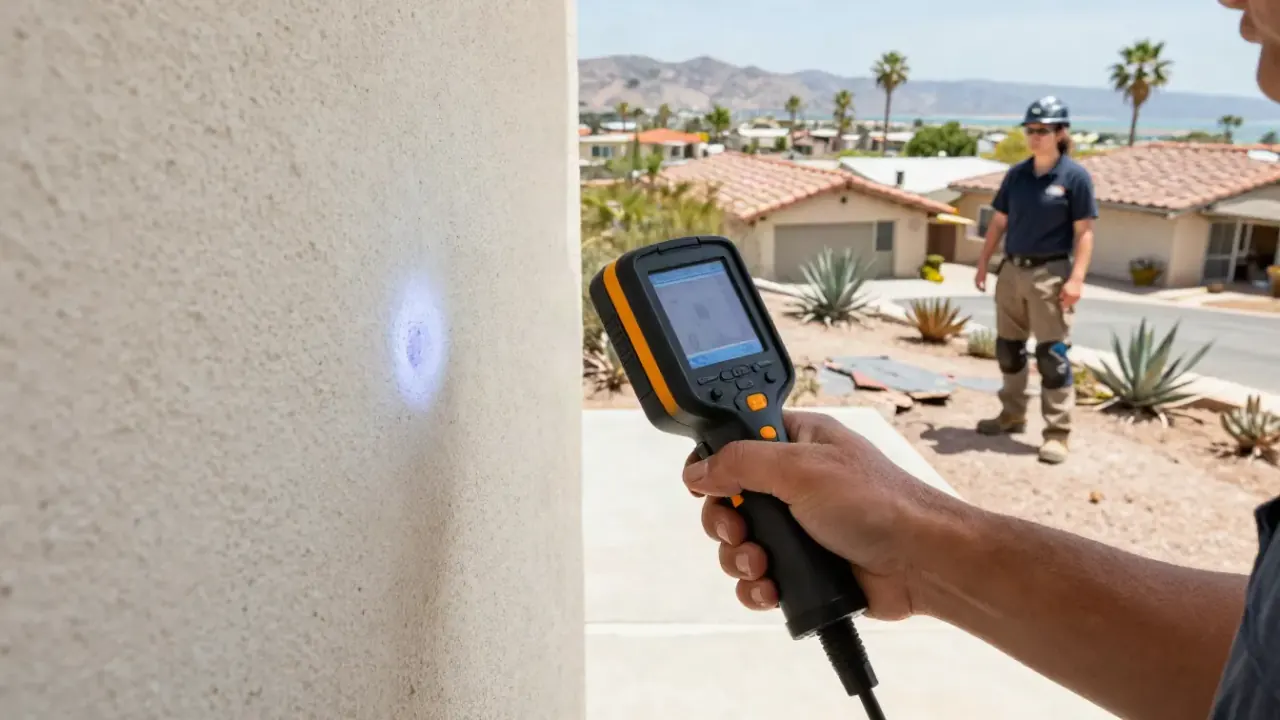
A homeowner near Third Avenue Village had a T&P valve that dripped constantly. Two previous companies told them the tank was failing and quoted a full replacement. The unit was only five years old.
After: We tested the valve seat and the expansion tank and found the expansion tank had lost its charge. Replacing the expansion tank and the T&P valve stopped the drip completely. The heater is still in service. Cost was a fraction of the replacement quote.
Book this service →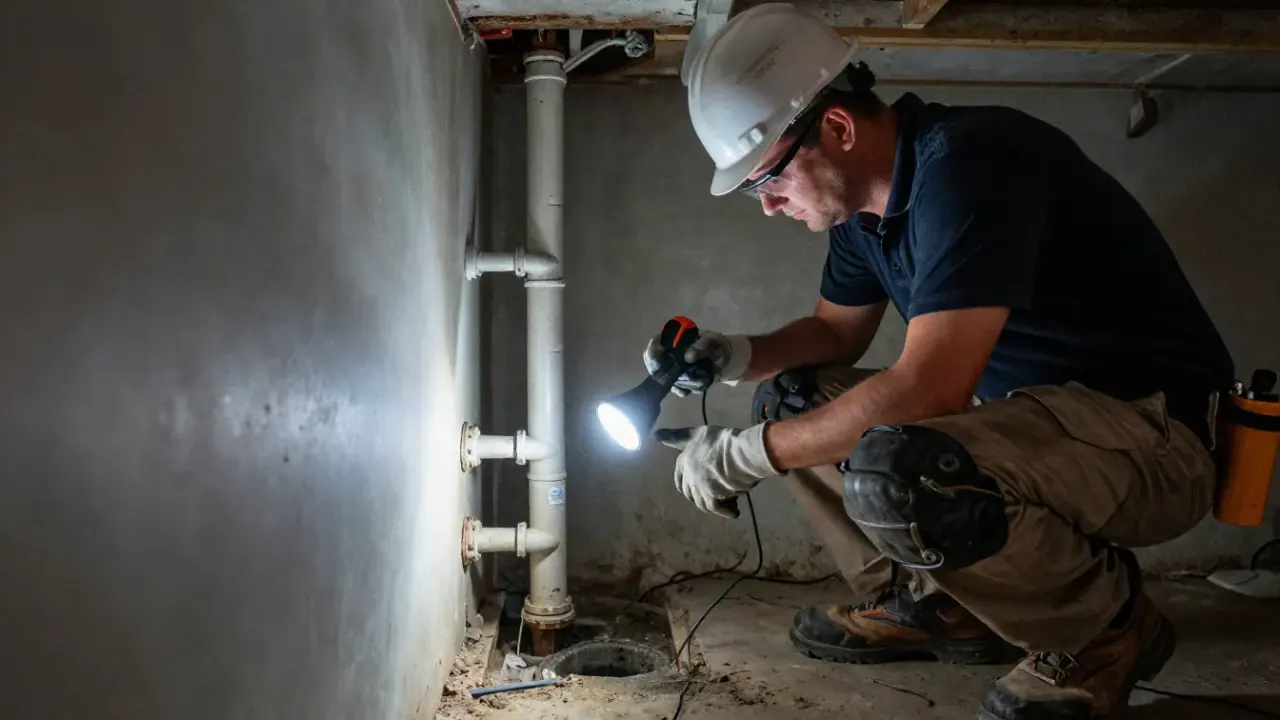
An Eastlake homeowner saw a water stain spreading on the ceiling below an upstairs heater closet. The floor around the heater looked dry, so they assumed it was a roof issue. The stain grew for three weeks.
After: We ran a thermal imaging camera across the closet floor and found the wet zone at the drain valve connection. The valve had been weeping slowly into the subfloor. We replaced the valve, sealed the connection, and re-tested. The ceiling dried out and the stain stopped spreading.
Book this service →Most heater leaks fall into a handful of patterns. Knowing which one you have changes the repair, the cost, and how fast you need to act.
Ask a pro →We isolate the tank from the house lines with a pressure test. If the tank side drops, the unit is failing and we quote replacement. If the house side drops, we trace the pipe leak and repair the fitting or line the same day.
We run acoustic listening devices along the supply line and thermal imaging cameras on the wall behind the heater. Most hidden leaks show up in under an hour. We repair the line and re-test at full pressure.
We inspect the anode port and the bottom seam, then pressure test. If the tank is sound, we replace the anode rod and flush the sediment. If the seam is weeping, we walk you through replacement options with same-day install.
We test the valve, check the expansion tank and thermal expansion on the system, and replace the valve if the seat is gone. We re-pressurize and confirm it holds before we leave.
Most diagnostics run $95 to $185 in 2026, and we credit that fee toward the repair if you hire us. Price depends on whether the leak is at the tank, behind a wall, or under the slab. Slab and in-wall leaks take longer because we use thermal imaging cameras and tracer gas detectors to narrow the location. You get the flat number before we start.
The best service is the one that finds the leak on the first visit and can repair it the same day. Look for a licensed C-36 plumbing contractor that carries acoustic listening devices, thermal imaging cameras, and pressure testing gauges on the truck. Ask whether the diagnostic fee is credited toward the repair. We do all three, and we work Chula Vista daily.
Recurring leaks usually mean one of three things: a failing T&P valve that keeps weeping, a corroded tank bottom from hard water scale, or a pinhole leak in the copper pipe above the unit. Chula Vista's hard water speeds up tank corrosion, and the marine climate works on gaskets and O-rings. We pressure test each section to tell you which one it is.
Repair if the tank is under 8 years old and the leak is at a valve, fitting, or supply line. Replace if the tank itself is weeping, the bottom is rusted, or the unit is past 10 years. A tank leak cannot be patched safely. We give you the pressure test reading and photos, then lay out both options with pricing so you can decide.
Water on the floor will not wait. Call (619) 943-1896 and we will dispatch a licensed technician with acoustic and thermal gear to find the leak and stop it. Flat-rate diagnostic, credited toward the repair.
Book a Diagnostic (619) 943-1896 →Reach us at (619) 943-1896 any time, day or night. Our emergency line is staffed 24/7, and regular appointments run Monday through Friday from 8 a.m. to 6 p.m. If you leave a message after hours, we call back within 15 minutes. We serve all of Chula Vista and the surrounding San Diego County area.